Our work speaks for itself.Promotion usability testing - Pivoting rapidly to develop a high performing campaign
The Background
Gambling companies use promotional campaigns to attract new players, as most sites have the same games and layouts.
Some promotions are simple, like staking £5 and getting 5 free spins.
But one gambling company likes to run longer-term promotions involving interactive mini-games.

The Set-Up
The theme of the promotion and its mini game had been decided, but there were two key questions from stakeholders:
“Will customers understand how the mini game works?”
“How easy to navigate is the whole promotion onsite journey?”
The Methodology

Iterative moderated usability testing was chosen to refine the promotion over time.
Remote moderated testing allowed me to move quickly and recruit from a wider participant pool.
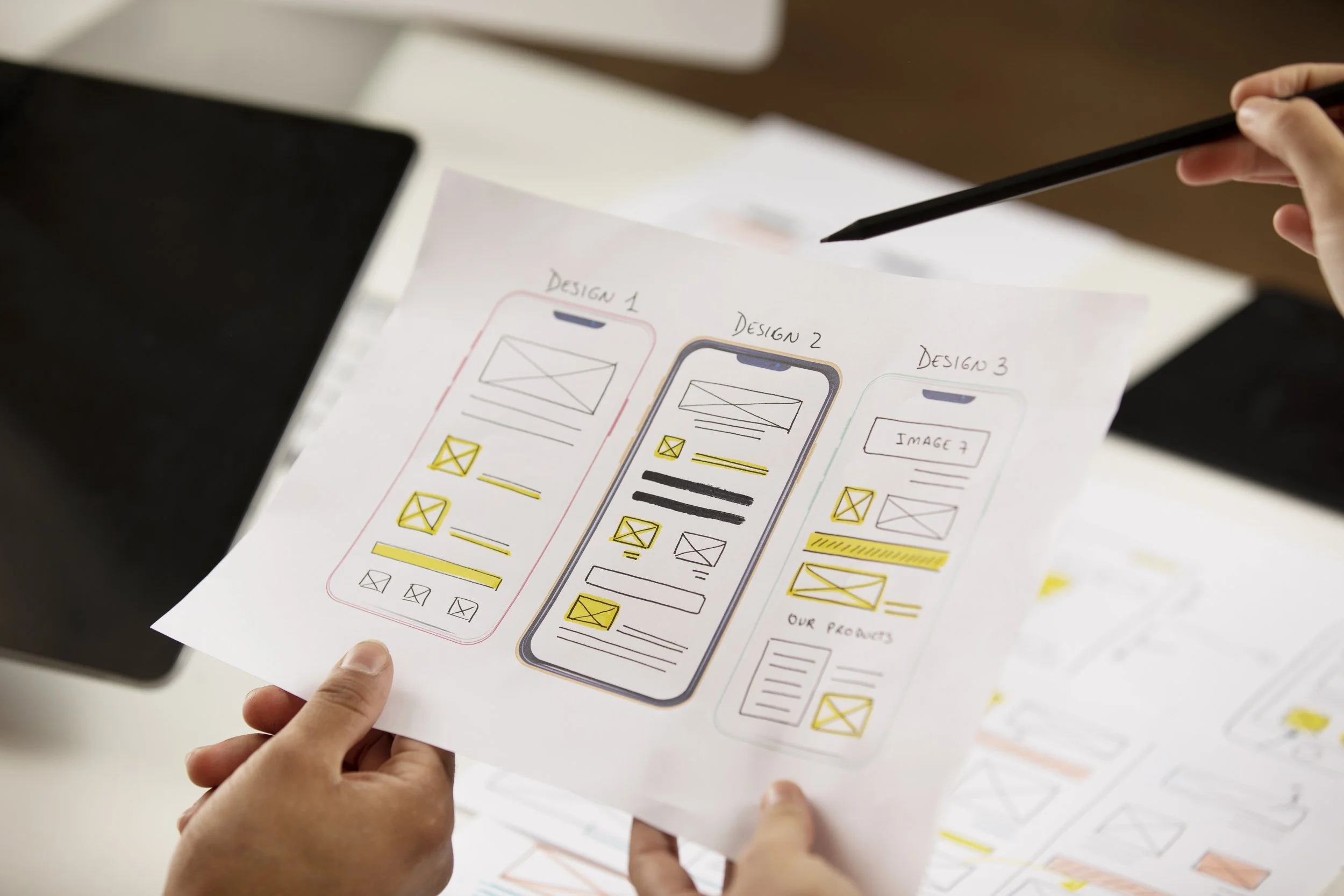
Starting with low-fi wireframes to get the UX right before introducing UI design.

The Research
The first round of usability testing involved six participants using wireframes of the promotion journey.
Participants were observed completing a simulated version of the promotion onsite journey, including the mini game. After, they were questioned about their experience and understanding of the journey.
Greyscale wireframes helped users understand the journey without being distracted by the design.
The Insights
The promotion bombed in its first round of usability testing.
The core mechanic of the mini games was found to be too confusing - participants didn’t understand how it worked.
My findings made it clear: the game mechanic needed a complete overhaul.

The Outcome
A cross-functional team of design, product and research quickly brainstormed and then tested new solutions until a mini game mechanic was finalised.
The promotion launched on time, despite tight deadlines and the need to pivot, and was a multi-million pound hit with players. It has been brought back several times to boost player engagement and retention.
The Learnings
The promotion case study shows the importance and impact of usability testing - particularly during early design.
Uncovering major issues early in the design process made it easier to pivot to an alternative.
Without this research, the company could’ve launched a confusing promotional campaign that would have performed poorly and angered players.
This would have harmed the brand image and lost revenue.